
×
Your Details

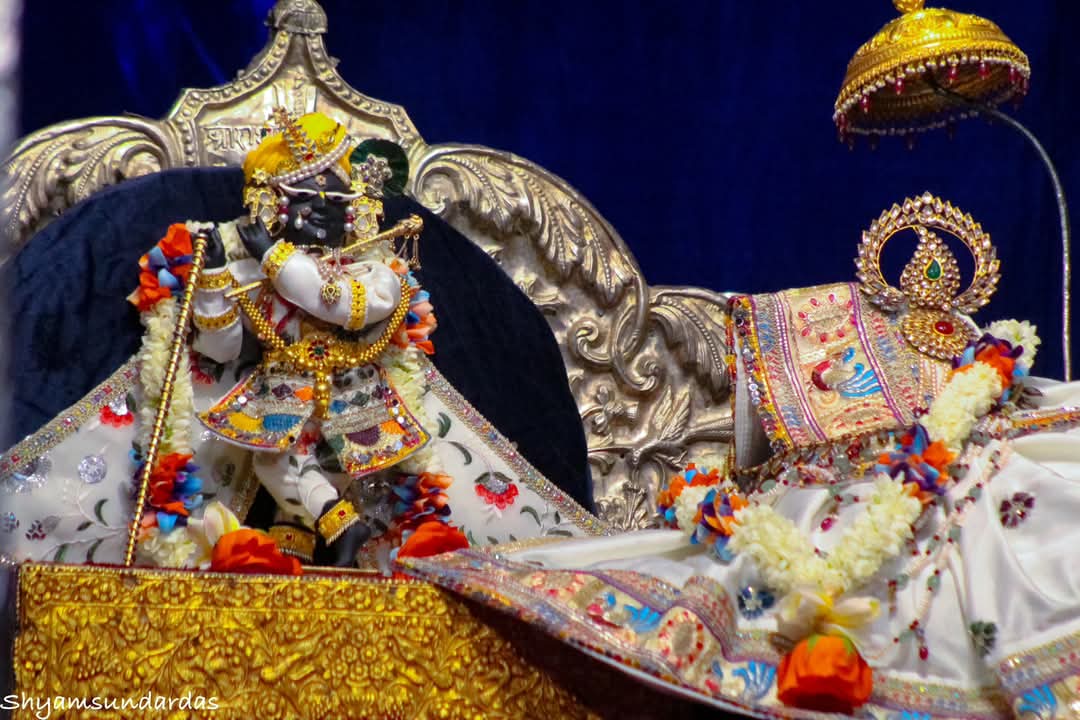
A Living Symbol of Devotion in Vrindavan
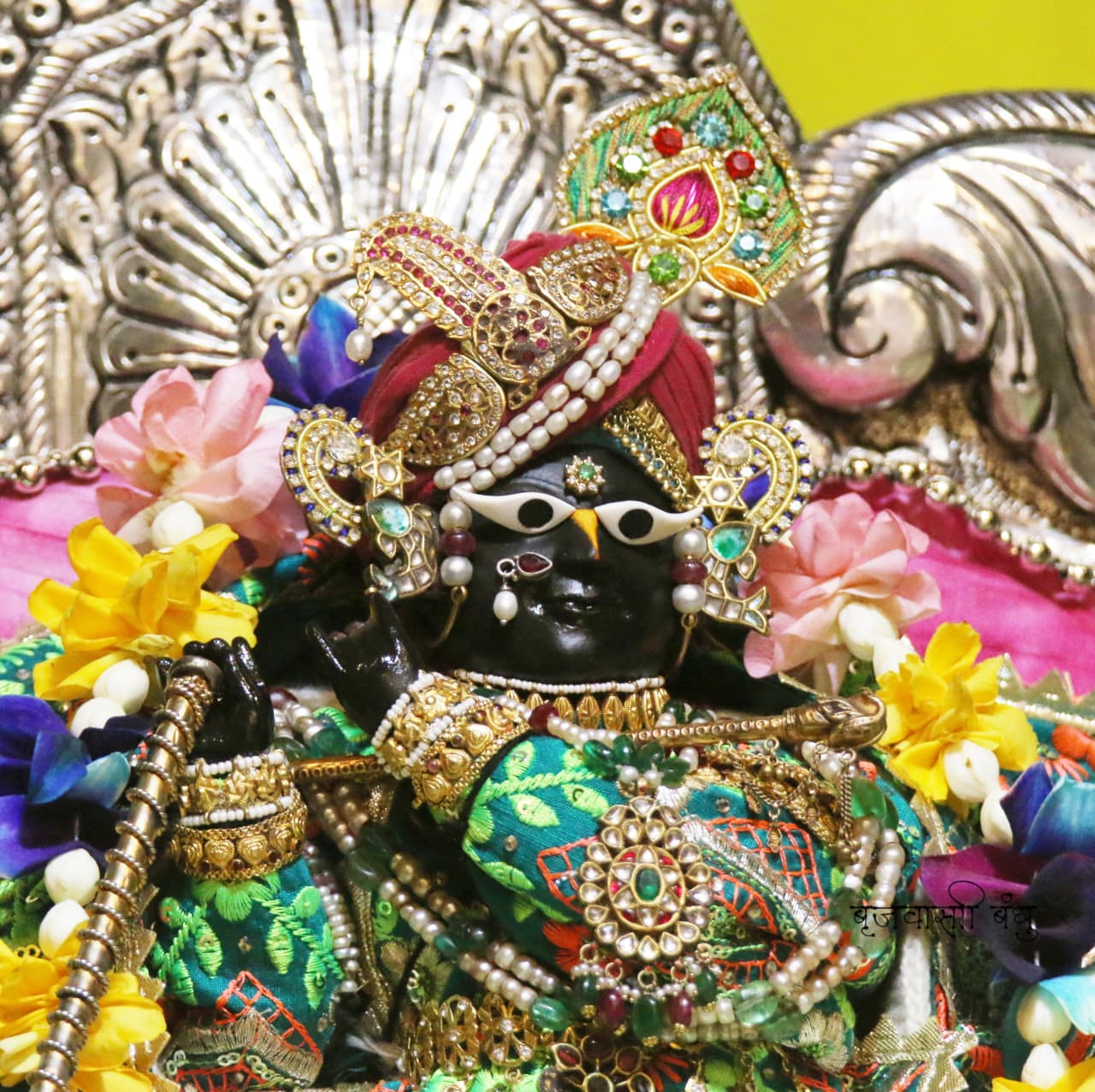
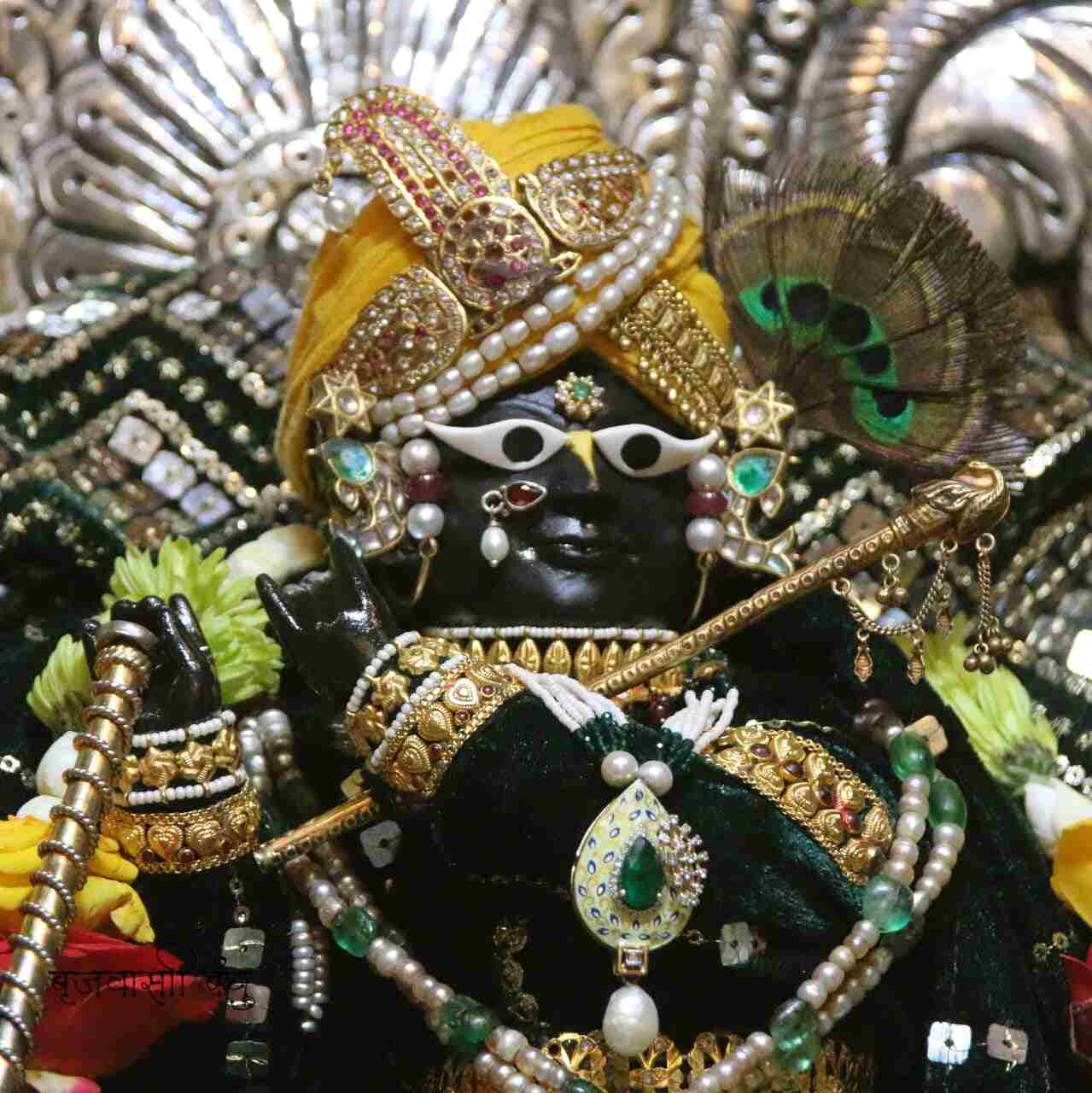
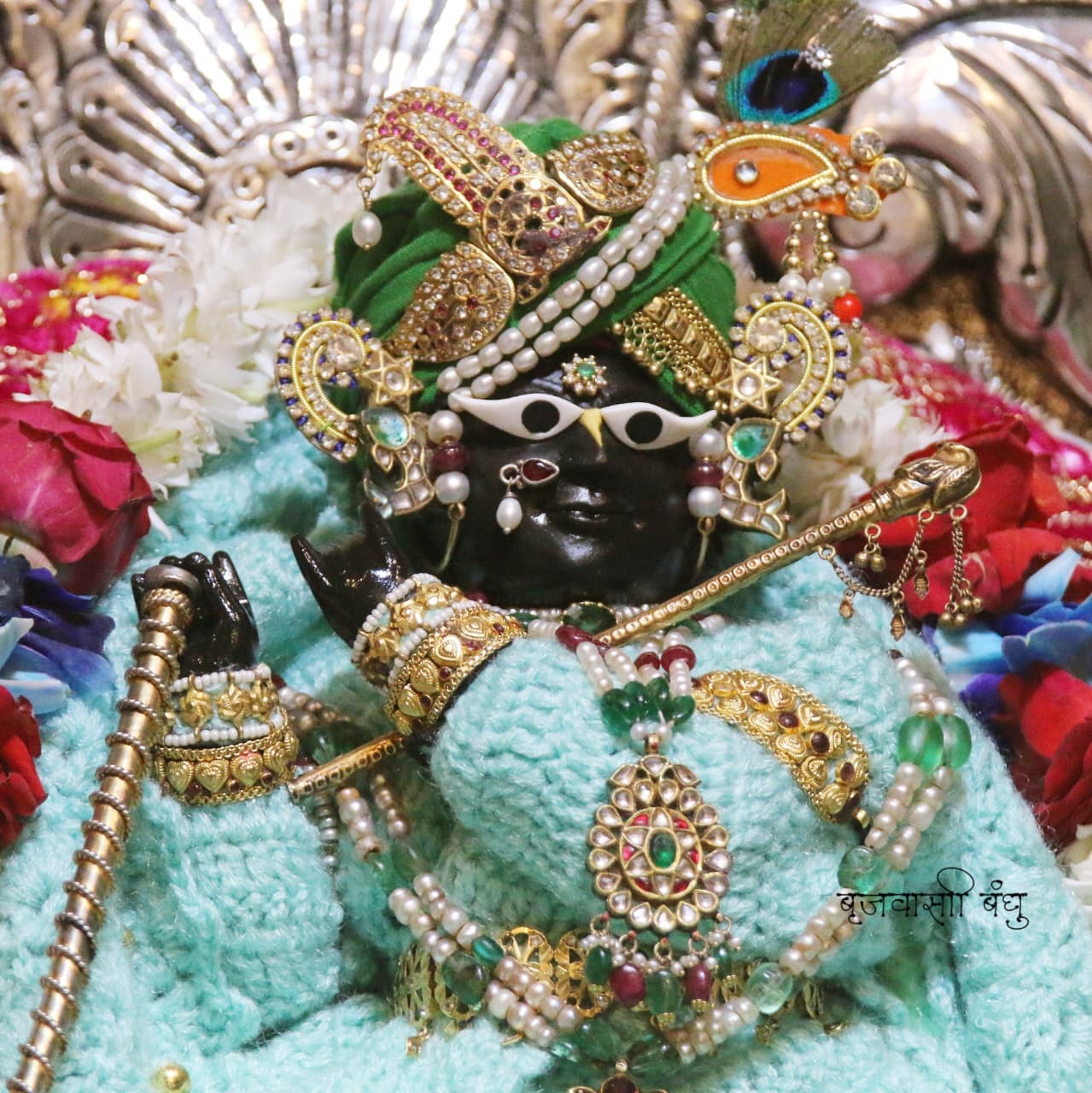
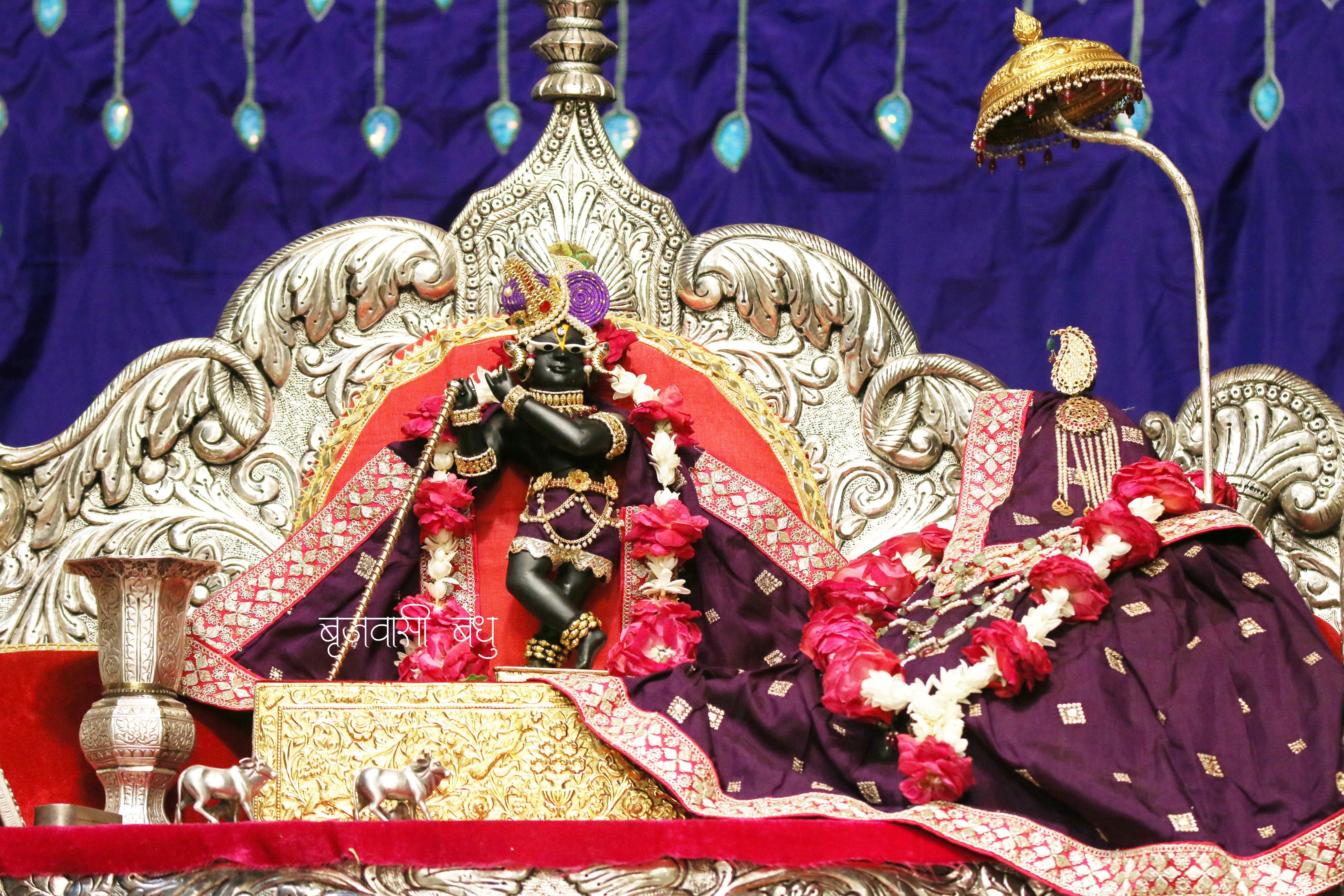
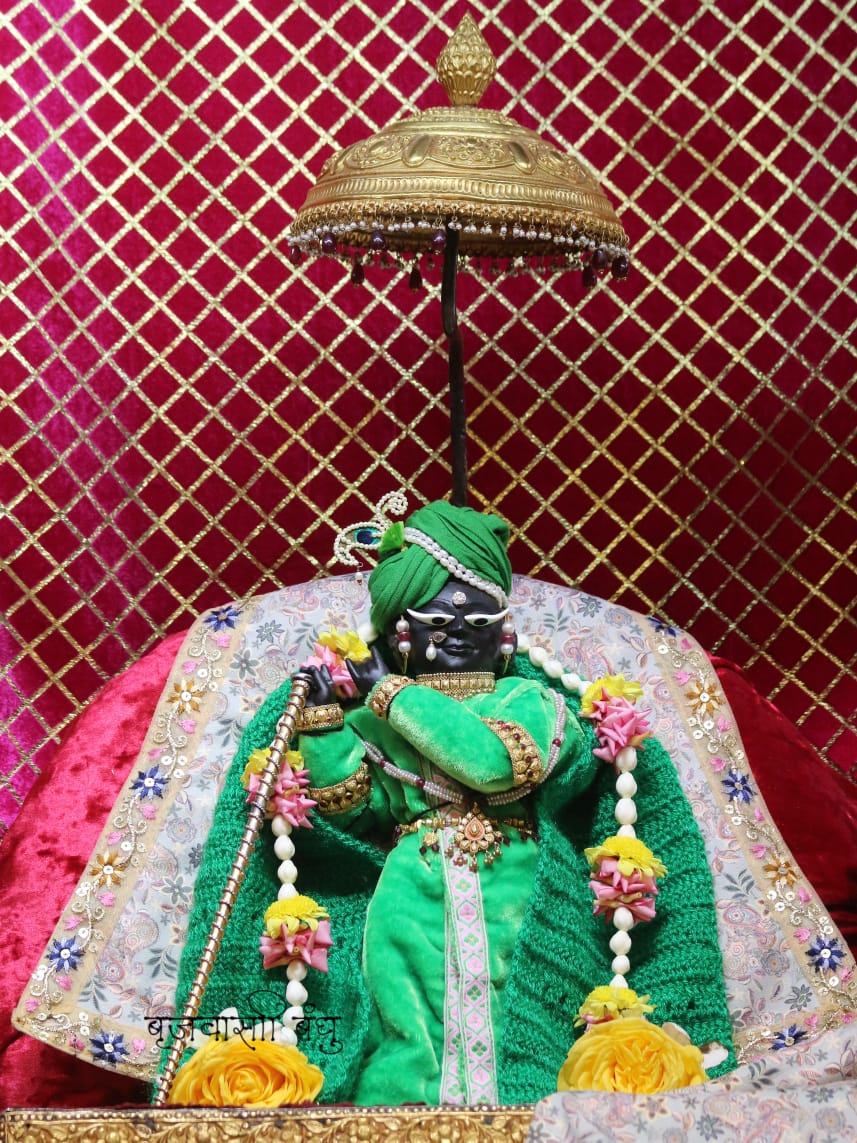
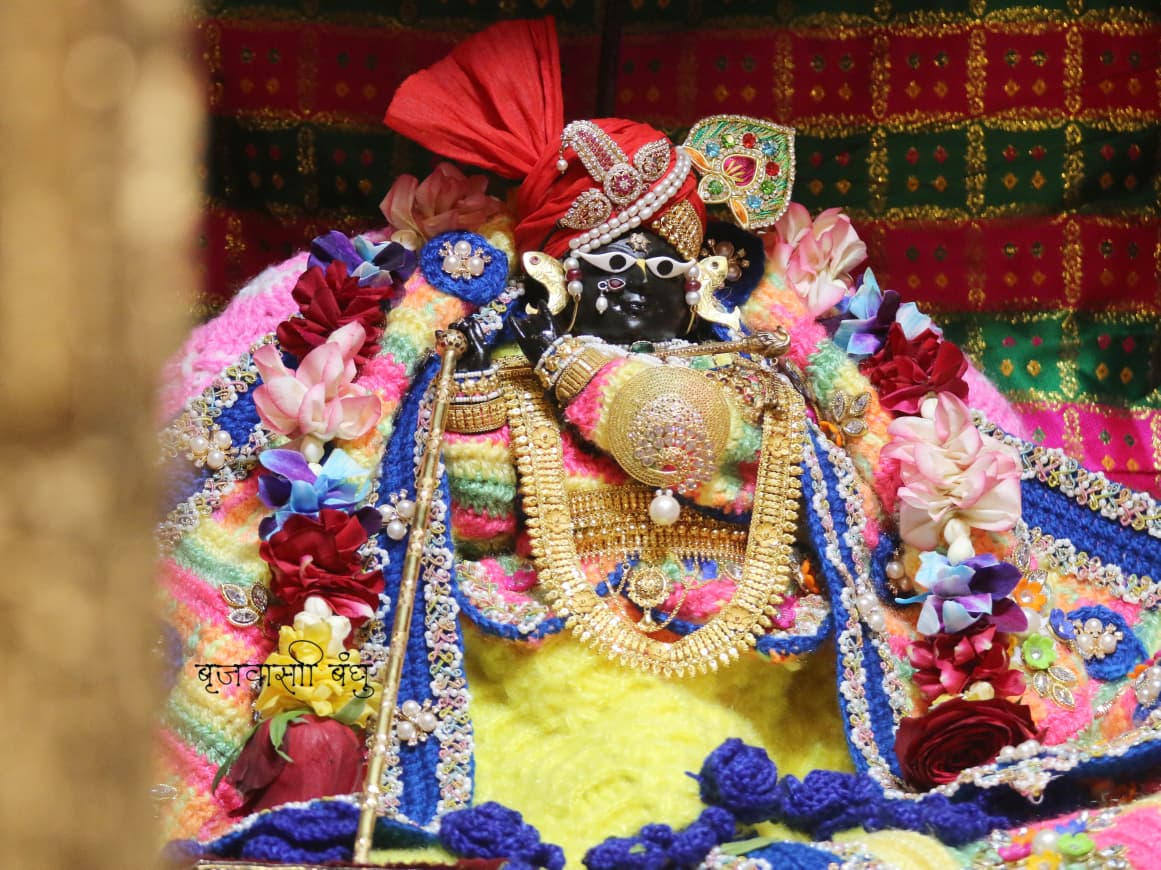
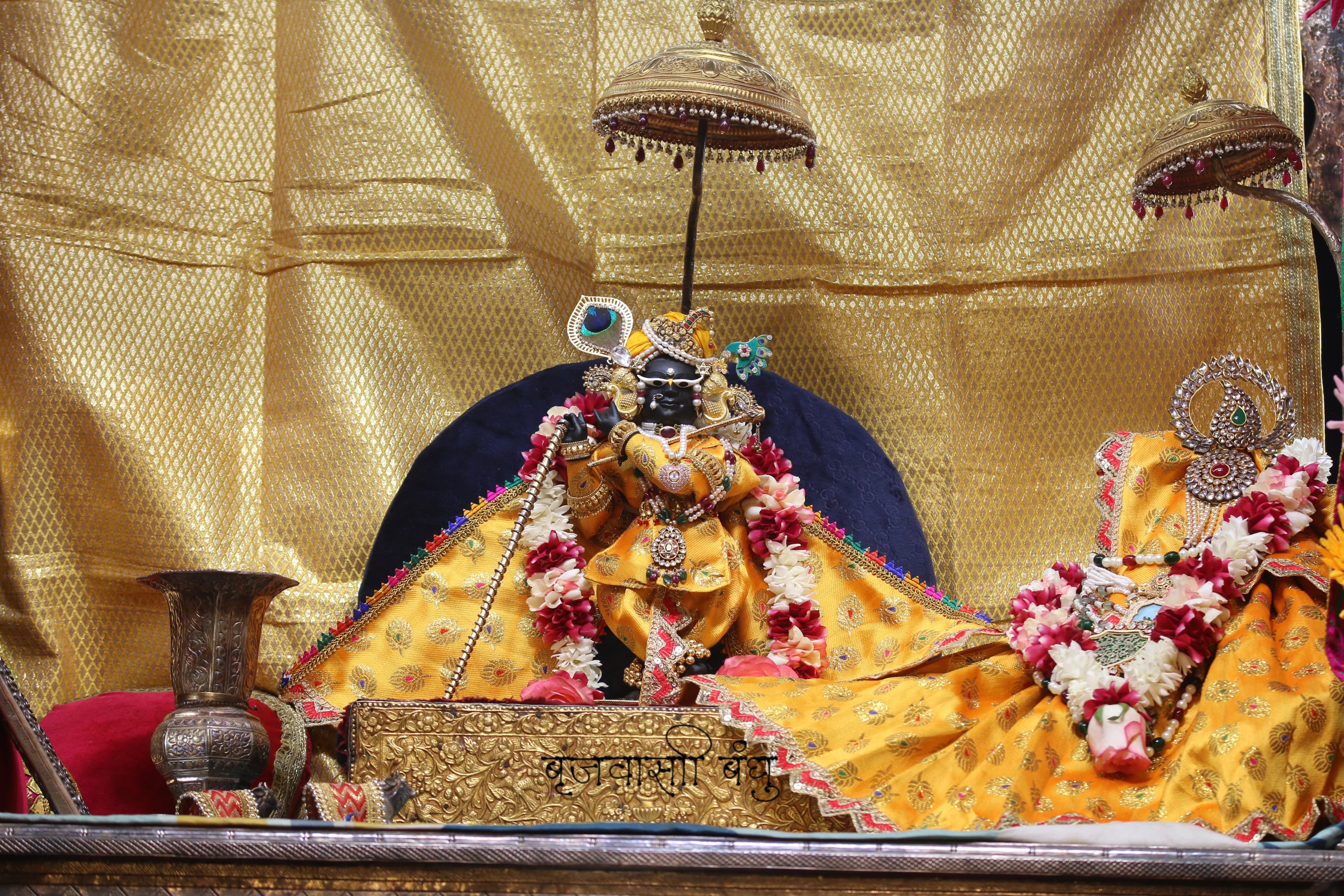
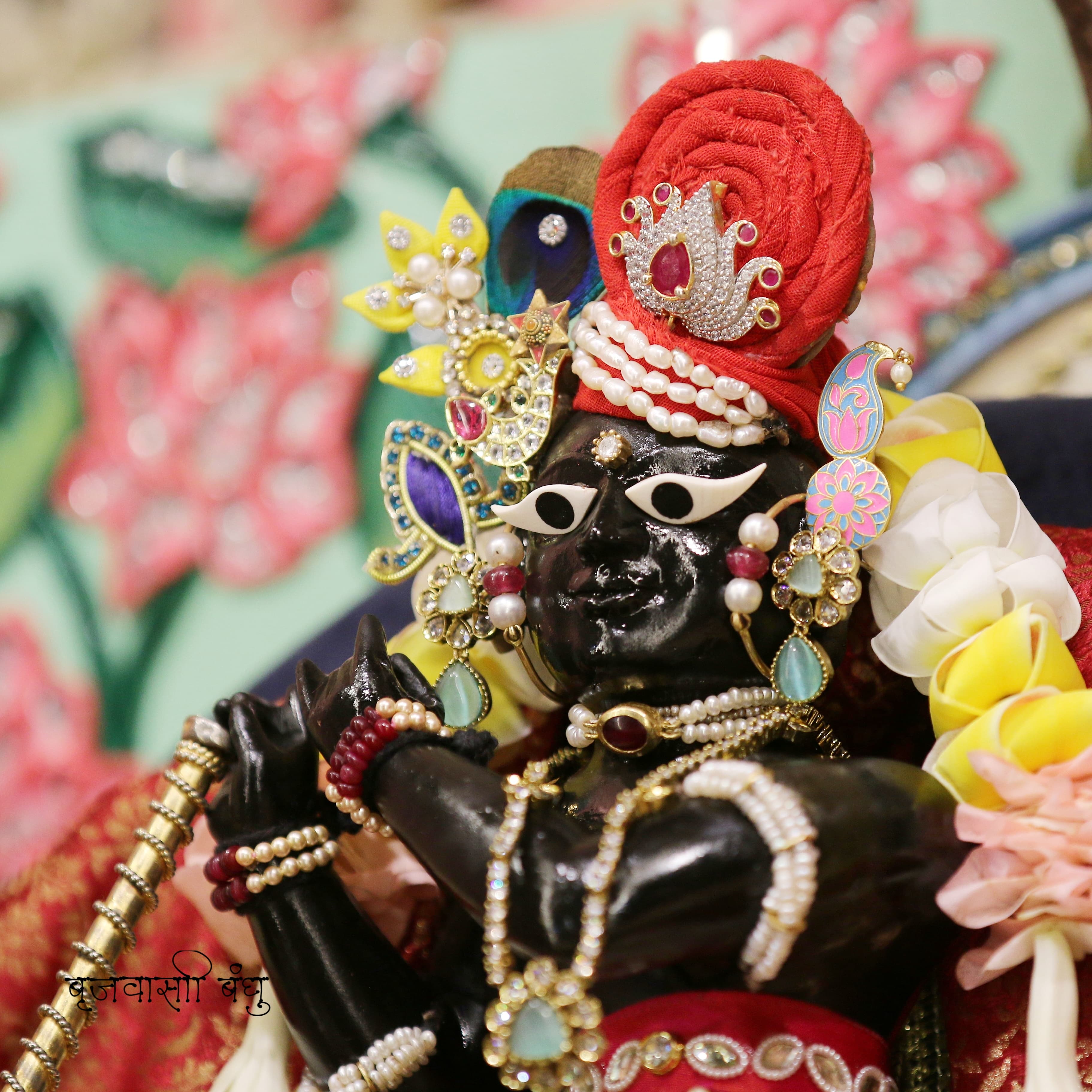
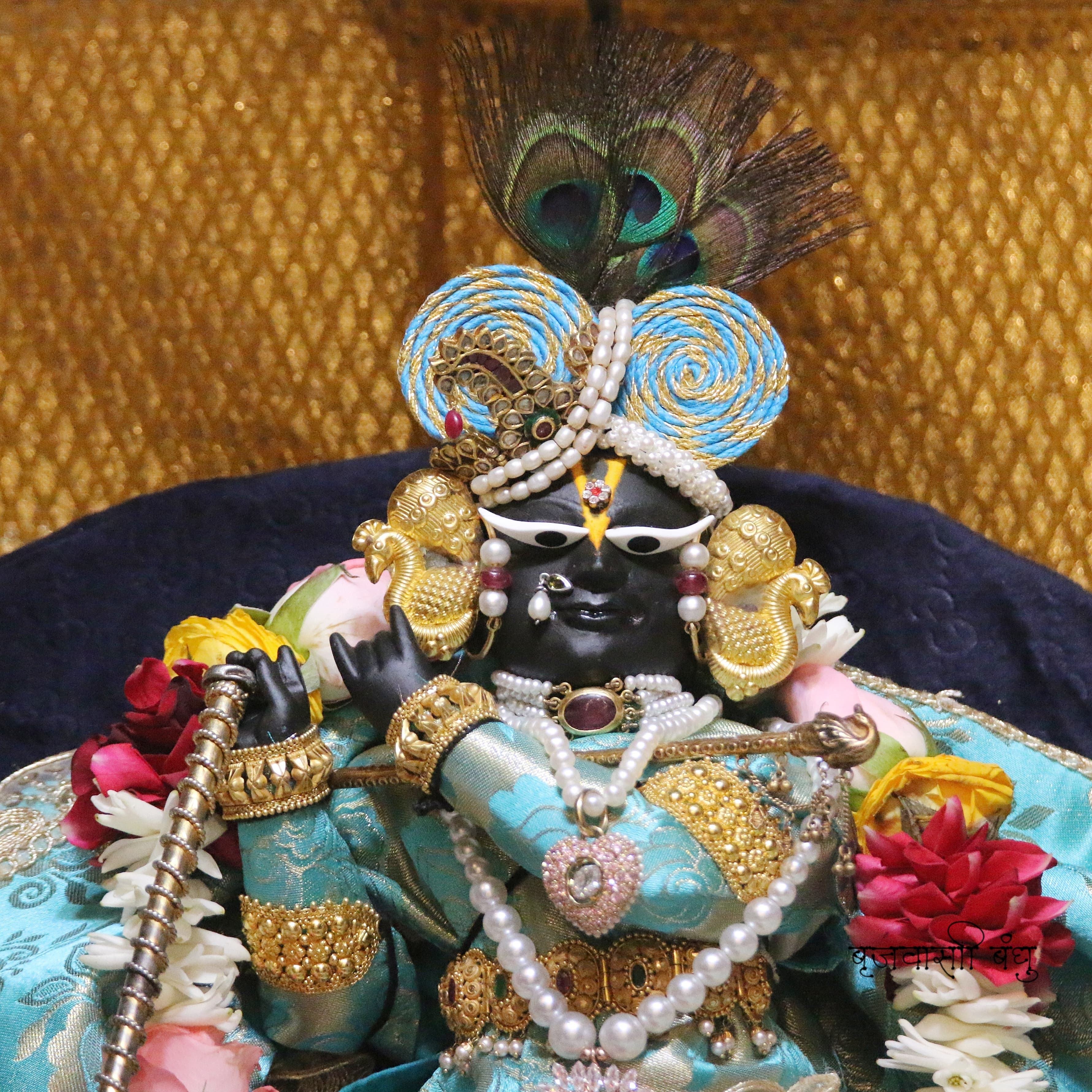
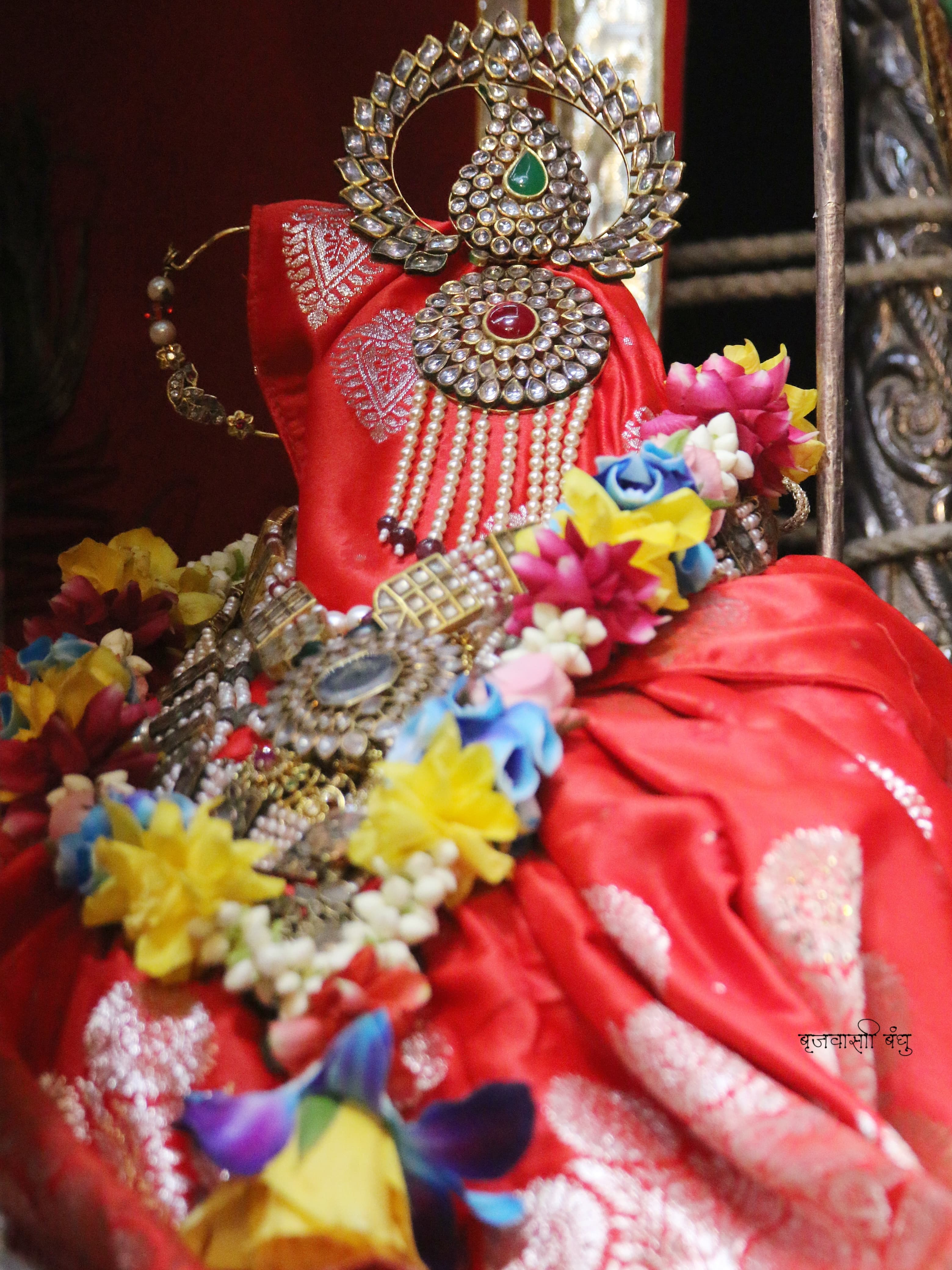
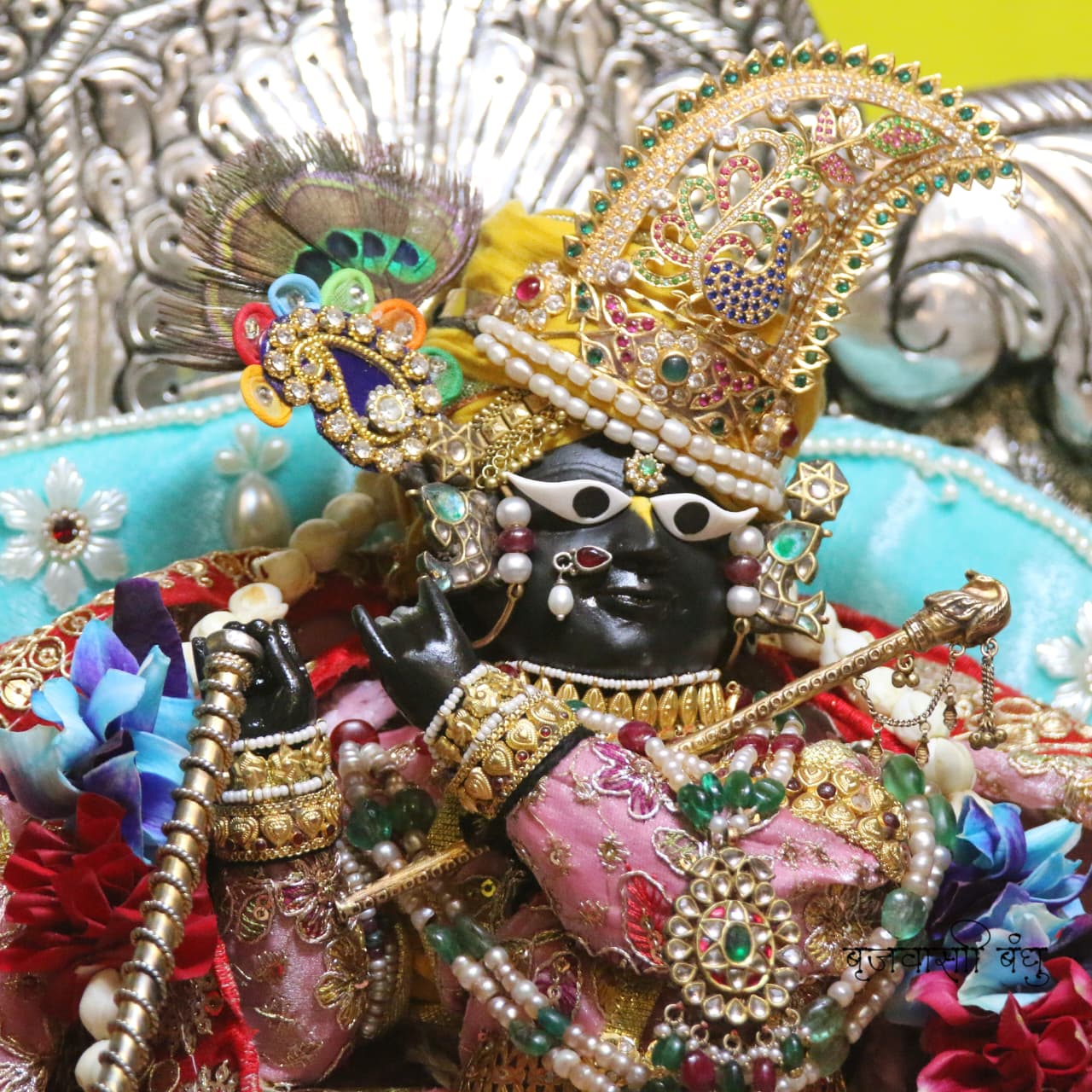
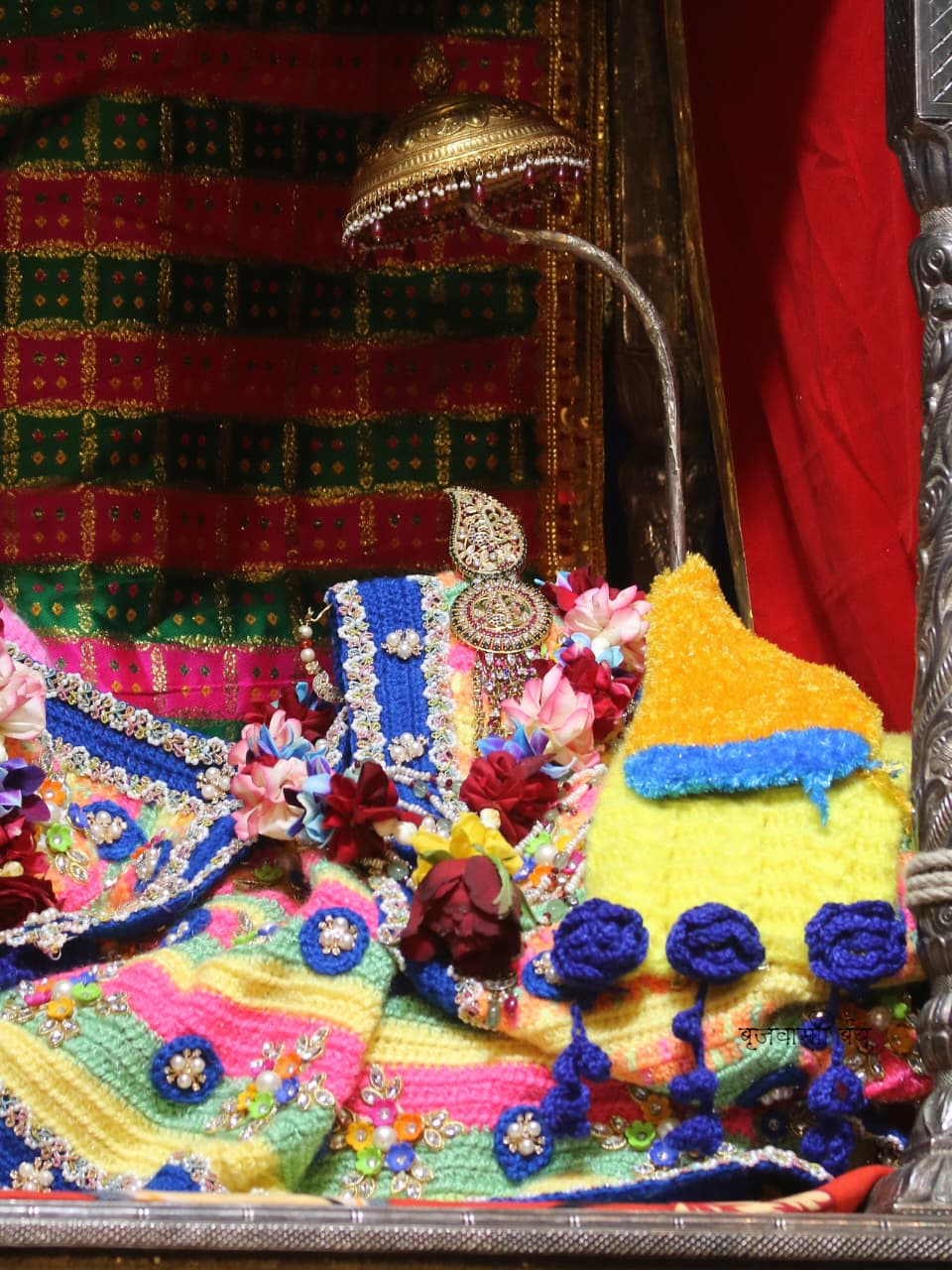
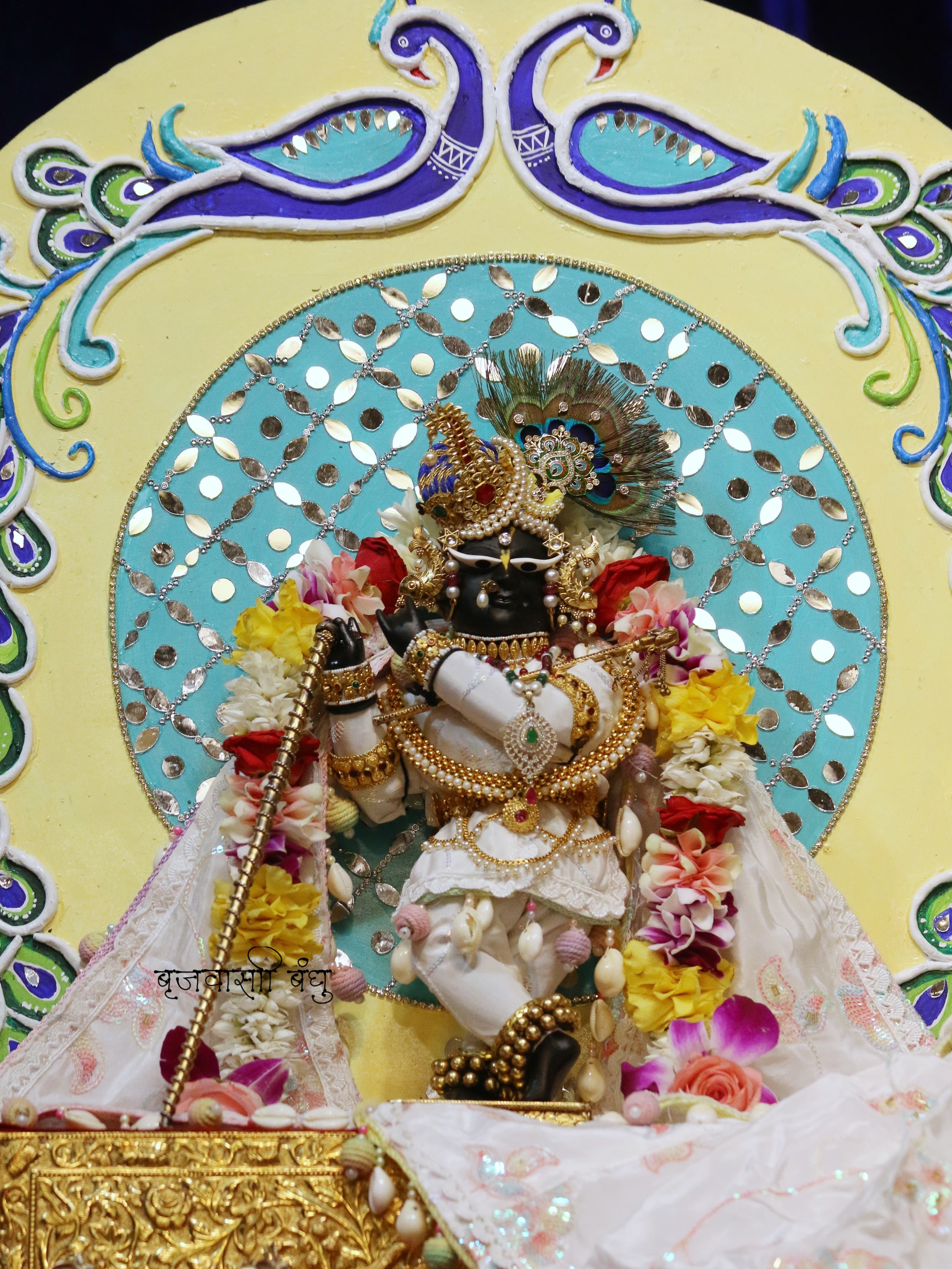
Vrindavan, the eternal land of Lord Krishna, is home to many sacred temples. Yet among them, Shri Radha Raman Ji Temple holds a deeply intimate and spiritually powerful place. This temple is not known for grand scale, but for something far more profound — a living, personal connection with Lord Krishna. For devotees and spiritual seekers, Shri Radha Raman Ji Temple is not just a destination. It is an experience of divine presence that stays with the heart long after darshan. The temple was established in 1542 AD by Gopala Bhatta Goswami, one of the six revered Goswamis of Vrindavan and a direct follower of Lord Chaitanya Mahaprabhu. According to the Vaishnav tradition, the deity of Shri Radha Raman Ji is self-manifested (Swayambhu). The deity appeared from a sacred Shaligram Shila, fulfilling Gopala Bhatta Goswami’s deep longing to worship Lord Krishna in a personal form. This divine manifestation makes Shri Radha Raman Ji one of the rarest and most spiritually significant Krishna deities in India. Unlike most temples where Radha and Krishna are worshipped separately, Shri Radha Raman Ji embodies both Radha and Krishna in a single divine form. Krishna’s form is visible The name Radha Raman means “One who gives joy to Radha”, symbolizing their eternal unity. This concept lies at the heart of Gaudiya Vaishnav philosophy and Vrindavan’s bhakti culture. Shri Radha Raman Ji Temple reflects traditional Vrindavan architecture — simple, sacred, and deeply devotional. Built with red sandstone, the temple features finely carved pillars and an intimate sanctum that draws devotees close to the deity. Mangala Aarti (early morning) Shringar Seva Rajbhog Sewa Evening Aarti Every ritual is performed according to centuries-old Vaishnav traditions, preserving the spiritual discipline established by the Goswamis. The temple becomes especially vibrant during: Janmashtami Radhashtami Appearance Day of Shri Radha Raman Ji During these times, Vrindavan fills with kirtans, bhajans, and devotional gatherings, offering devotees a deeply immersive spiritual atmosphere. Devotees often describe darshan at Shri Radha Raman Ji Temple as deeply personal and emotionally fulfilling. One of the most cherished moments is Charan Darshan, where the lotus feet of the deity are revealed. The gentle smile, expressive eyes, and lifelike presence of Shri Radha Raman Ji create a sense of closeness rarely experienced elsewhere. Many visitors report: Inner peace Emotional clarity Shri Radha Raman Ji Temple is a cornerstone of the Gaudiya Vaishnav sampradaya. It actively preserves the teachings of Lord Chaitanya Mahaprabhu through: Spiritual discourses Kirtans and bhakti gatherings Annadaan and prasad distribution Visitors are encouraged to: Wear modest, traditional clothing Maintain silence during darshan Shri Radha Raman Ji Temple is not merely a historical monument or a tourist site. It is a living center of devotion, where divine love is felt, not just worshipped. For anyone seeking peace, purpose, or a deeper connection with Lord Krishna, this sacred temple in Vrindavan offers an experience that transforms the heart.The Sacred History of Shri Radha Raman Ji Temple
Why Shri Radha Raman Ji is Spiritually Unique
Radha Rani’s presence is spiritually embodied within HimTemple Architecture and Daily Worship
Daily Seva Includes:
Shayan AartiFestivals and Special Celebrations
Kartika MonthThe Devotee Experience at Radha Raman Ji Temple
A lasting spiritual connectionRole in Gaudiya Vaishnav Tradition
Seva traditions like Phool Bangla and Rajbhog SewaVisiting Shri Radha Raman Ji Temple, Vrindavan
📍 Location: Vrindavan, Uttar Pradesh 🕉 Best Time to Visit: Early morning or festival daysRespect temple customs (mobile restrictions apply)Conclusion
Recent Blogs
Gallery
We make your dream more beautiful & enjoyful with lots of happiness.